Ever wonder why your pupils get smaller or larger on the go? Your pupils automatically adjust to filter out light, helping you see clearly whether you're in a bright sunny day or a dark room. But pupil size isn't just about lighting,it can also show signs of your emotional state or underlying health issues. Dive in to uncover what "normal" pupil size should look like, and discover what subtle changes in your pupils might be telling you about your health. Our team of vision and psychology experts have got the inside scoop!
HealthArticle & Insights
Pupil Size Chart: Normal vs. Not So Normal
Pupil Size Chart: Normal vs. Not So Normal is a rewarding project. Discover when small or large pupils are just a normal adjustment and when they might signal something more serious that needs medical attention. This guide will help you understand what’s typical and when it’s time to consult a healthcare professional.
By WeGuideHow Team·Updated Oct 26, 2026
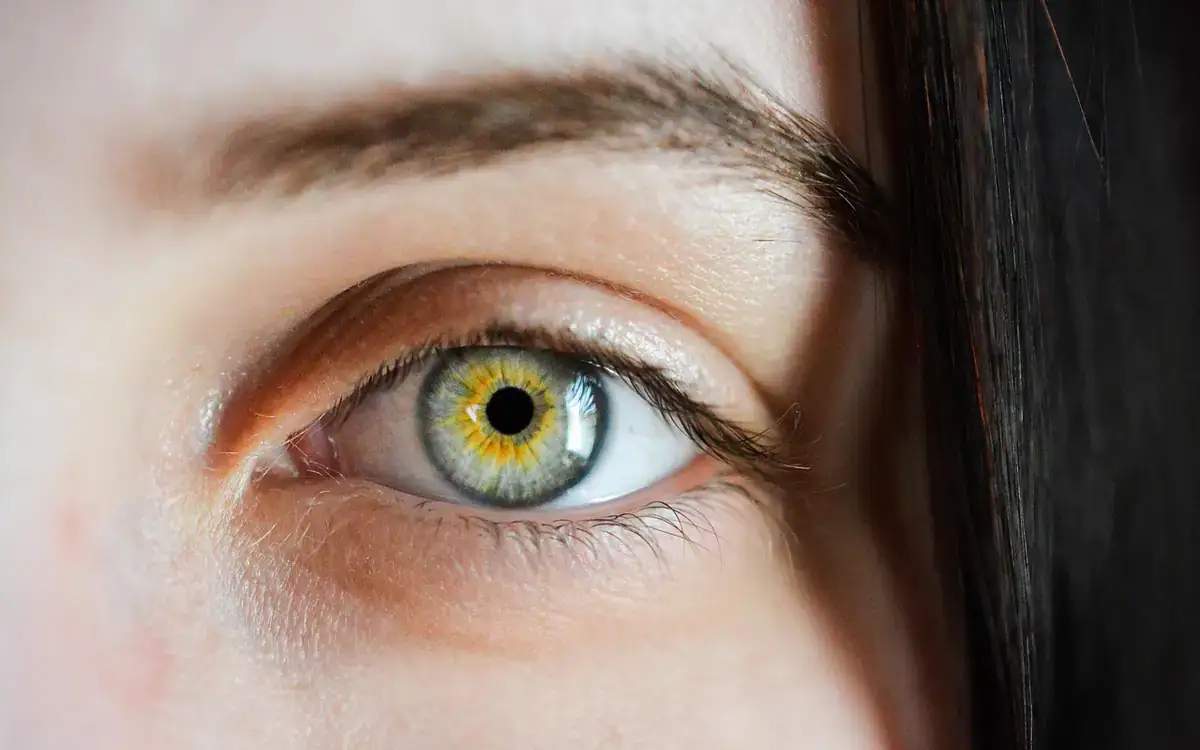
Pupil Size Chart: Normal, Constricted, and Dilated-Decoding What Your Eyes Reveal:
Here's a quick rundown of what's normal and not so normal when it comes to pupil size:
In well-lit conditions, your pupils should be between 2-4 millimeters (mm) in diameter. During dimmer conditions, they naturally expand to 4-8 mm. As you move from bright to dark environments, your pupils should adjust like magic to let in just the right amount of light.
But here’s where things can get a bit weird: If your pupils stay smaller than 2 mm, even in bright light, that’s a red flag. Also, if one pupil gets significantly larger while the other stays smaller, it’s time to book a visit to the doc. These symptoms can indicate a variety of conditions and shouldn’t be ignored!
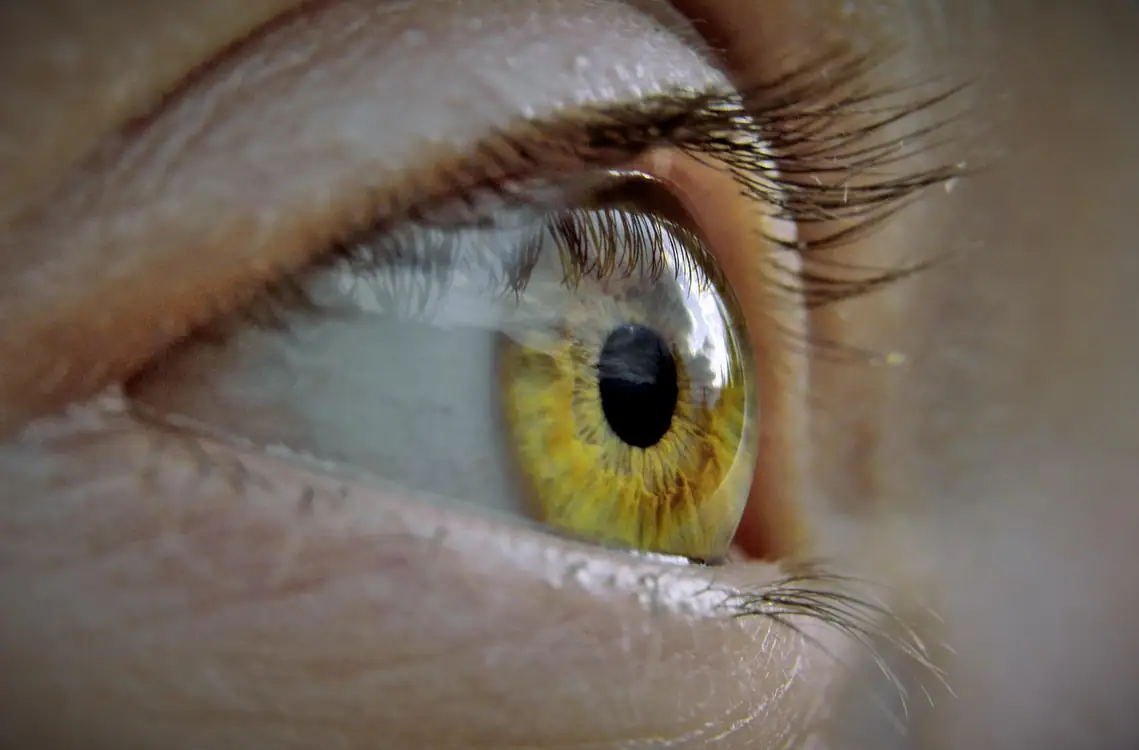
Pupils are like tiny magical doors that automatically adjust their size depending on how bright or dim the light is. Normally, in bright light, they're about 2-4 mm wide, but in dimmer areas, they expand to 4-8 mm. Your pupils go through this change every time the light shifts, so it’s normal for them to constantly shift size. However, if you notice that your pupils stay abnormally small or dilated, even when you move from bright to dim lighting or vice versa, you should definitely see a doctor. It’s important to keep an eye on any irregular changes, as they might indicate an underlying issue. For more detailed information, check out the insights from experts like Dr. Brian Boxer Wachler, a board-certified ophthalmologist with over 30 years of experience, and Dr. Asa Don Brown, a clinical psychologist with 30 years of experience who specializes in working with families and treating various psychological disorders.
Have you ever noticed how your pupils can change sizes and wondered what exactly they were telling you? Let’s dive into the fascinating world of pupil sizes and uncover what those changes might mean!
Pupil size is more than just a biological detail—it's a fascinating window into what's happening inside your body. When you're trying to read a book or focus on a close-up task, your pupils naturally constrict, or get smaller. This happens to keep the amount of light entering your eye in check, making your vision sharper in low-light conditions. It's a pretty cool, automatic process known as a direct reflex, like when you step out of a movie theater and your pupils shrink as you adapt to the bright outside light.
However, pupil constriction isn't just about adapting to light; it can also signal something more. If your pupils suddenly constrict more than usual, it could be a sign of drug overdose. Watch out for other symptoms that might accompany such a change, and never hesitate to seek medical help if you suspect someone might be struggling. Stay alert, stay informed, and always prioritize safety.
When your pupils constrict to less than 2 mm in diameter-that’s smaller than you think, about the size of a pinhead-they're experiencing miosis. This can be caused by some pretty serious stuff, like brain injuries or strokes. If both your pupils stay consistently that tiny, even if light changes don't affect them, it's time to make an appointment with a doctor. Better safe than sorry when it comes to your vision!
Pupil power: How dim light, excitement, and more affect your eyes
Have you ever noticed your pupils get really big when it's dark? That's your eyes naturally dilating, or getting bigger, to let in more light and help you see better. But pupils can also dilate due to more intense emotions, like feeling really excited or stressed. In some cases, medications or even certain drugs can cause your pupils to get larger too. So next time you're in a dimly lit room and feel a bit more adventurous, know that your pupils are responding just like they were millions of years ago, adapting to the darkness to help you navigate your surroundings.
Mydriasis is when your pupils dilate and don't change in response to different light levels.
Unequal Pupil Sizes: A Red Flag to Watch Out For
Ever noticed your pupils are different sizes? While a slight difference might seem harmless, it could be a sign that something isn't right. Known as anisocoria, this condition often points to an underlying health issue. It can crop up during migraines, after surgeries, or following head injuries. More alarmingly, it might signal a serious problem, like a brain aneurysm, stroke, or even a brain tumor. If you spot this symptom, don't delay-make an appointment with your doctor! You should also head to the doctor if you experience extreme eye pain (or pain anywhere in your body) or a loss of vision alongside the uneven pupils.
Spotting Constricted vs. Dilated Pupils: Have you ever noticed those tiny black dots in someone's eye change size? That's the pupil, and it can tell you a lot about what's going on. When pupils constrict, they get smaller, often in response to bright light or an increase in dopamine. Conversely, when they dilate, they get bigger, possibly due to reduced light, certain medications, or even emotions like fear or excitement. Knowing the difference can be crucial, as abnormal pupil size changes might signal an underlying health issue that needs attention.
Did this guide help you?
Your feedback helps us keep WeGuideHow accurate, tested, and clear.
Recommended for you
Read More
Relevant articles and tested guides you might find helpful next.
HealthJobs & Education
Are You Ready to Explore Intermittent Fasting?
Are You Ready to Explore Intermittent Fasting? Intermittent fasting is trendy, but the question is will it work for you to get healthy? As you are probably aware, there are so many different diets out there that claim to help with weight loss and disease prevention: low-fat, low-carb, keto, paleo, whole 30, vegetarian, vegan, DASH, Mediterranean, MIND. You get the idea, there are a lot of diets out there. Okay so today let’s get to it and talk about intermittent fasting.
Easy
Read 
Health
Healthy Hormones: A Food Guide for Balance Diet
Healthy Hormones: A Food Guide For Balance Diet is a rewarding project. Healthy Hormones is a rewarding project. Hormone balance can have a major impact on your health and the reverse is true as well. When you have a hormonal imbalance, you may not feel well. Unexplained weight gain, tiredness, acne, dry skin, sleep problems and PMS, if you are not already in menopause, can all be subtle signs that your hormones aren’t as balanced as they could be. A lot of things can alter the delicate balance of your hormones and diet is one of the factors that can do this. Looking at your diet can be one of the simplest ways to start to balance your hormones and improve hormone health.
Read

Health
Tips for Starting Your Baby on Solids
Learn how to introduce solids to your baby and set them up for a lifetime of healthy eating habits, as you explore new tastes, textures, and nutrients together. Introducing solid foods needs patience, knowledge, and the right approach. Every parent wonders when to start, what foods to give first, and how to make meals fun and safe. It’s more than just feeding them. Your baby’s readiness, nutritional needs, and age are key in this journey. Choosing the right first foods and making mealtime positive are important. These tips will help you create healthy eating habits for your baby.
Read