Healthy Hormones: A Food Guide for Balance Diet
Healthy Hormones: A Food Guide For Balance Diet is a rewarding project. Healthy Hormones is a rewarding project. Hormone balance can have a major impact on your health and the reverse is true as well. When you have a hormonal imbalance, you may not feel well. Unexplained weight gain, tiredness, acne, dry skin, sleep problems and PMS, if you are not already in menopause, can all be subtle signs that your hormones aren’t as balanced as they could be. A lot of things can alter the delicate balance of your hormones and diet is one of the factors that can do this. Looking at your diet can be one of the simplest ways to start to balance your hormones and improve hormone health.
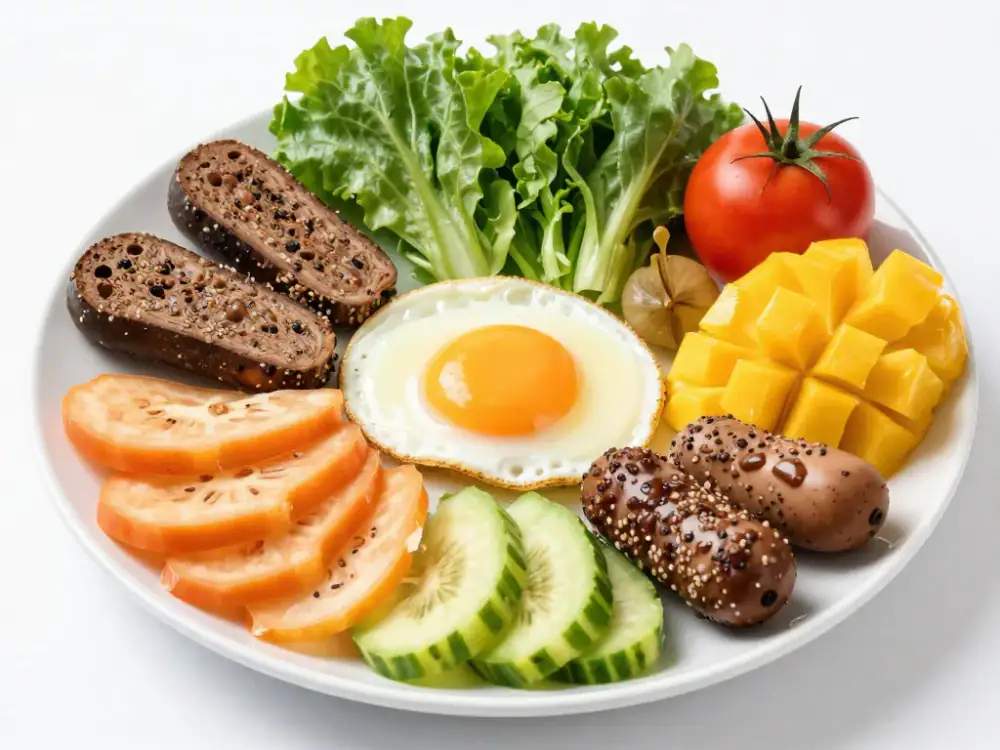
Eat Protein to Balance Your Hormones
Sure thing! Here’s how you can incorporate protein into your diet to help balance your hormones, especially insulin and estrogen:
Try lean meats, fish, eggs, and beans—these are all great protein sources. Fish like salmon and mackerel are especially good since they offer anti-inflammatory omega-3 fatty acids.
Red meats can up inflammation and boost estrogen, which might throw off your hormonal balance. If you do choose to add red meat to your diet, go for the leaner cuts.
When swapping between animal and plant proteins, always opt for whole, fresh options. For plant proteins, think beans, lentils, and nuts. And remember, processed meats like bacon, sausages, and hot dogs aren’t on the list because they're not considered whole foods. Stick to fresh meats to keep things balanced.
Eat Carbs and Healthy Fats for Hormonal Balance
For your meals, aim to include protein, carbohydrates, and healthy fats. These are crucial for balancing your hormones. Try to have these nutrients in every meal to keep things consistent. Opt for olive oil over vegetable oils-vegetable oils and margarine can be high in inflammatory omega 6 fats. Instead, add some avocado, nuts, or seeds for a good dose of healthy fat. And don't forget to fill half your plate with plenty of vegetables, and about a quarter with whole grains like brown rice or quinoa for your carbs.
Boost Your Gut with Probiotics
If you're not already enjoying probiotics, you're really missing out! These good bacteria can help reduce inflammation and keep your hormones balanced. You can easily add them to your diet by eating fermented foods like plain yogurt, kefir, kombucha, sauerkraut, and tempeh. If you prefer, you can also take a probiotic supplement, but I'd suggest starting with the foods first—they're delicious and nutritious!
Eat Plenty of Fiber to Balance Your Hormones
Eating lots of fiber is a win for your gut and can help balance out excess estrogen. For women, aim for about 25 grams a day, and men should go for around 38 grams. A diet rich in whole plant foods makes it easy to get there. If you're not used to a high-fiber diet, take it slow—loading up too quickly might give you some gas and bloating as your body adjusts.
Avoid High Glycemic Foods to Balance Your Hormones
Foods that are high on the Glycemic Index can really mess with your hormones. They spike insulin levels and can change how your body handles estrogen. Plus, they tend to be pretty inflammatory and can increase stress hormones like cortisol. Think of refined carbs like those found in processed foods made with white flour, sugary drinks, and overly processed foods packed with sugar. These are big offenders when it comes to upsetting hormone balance. To keep things in check, load up on low GI foods instead.
Avoiding Soy
If you've got high estrogen levels, you might want to think twice about soy. It contains something called phytoestrogens, which can actually increase your estrogen levels even more. That could lead to some not-so-great stuff like heavier periods, more bloat, breakouts, headaches, and mood swings.
Not to mention, non-organic and GMO soy can come with some extra chemicals, like glyphosate, which might interfere with your hormones. Opt for fermented soy products or look for non-GMO, organic options at the store.
A lot of vegans rely on soy for protein, so you might be eating more than you realize. If you think your estrogen levels are already bumping up a bit from things like birth control pills or other lifestyle toxins, steering clear of soy might be a good idea.
Always check with your doctor if you're unsure about how soy might be affecting your body.
Eliminate Processed Foods
Sure, let's dive into this a bit more. When it comes to balancing your hormones, especially estrogen, it's important to think about the foods you eat.Processed meats and other processed carbs are big no-nos, but they're not the only ones. Processed foods in general can really drive estrogen levels up. Experts suggest that eating too much of these can double your normal, healthy levels.
If you're concerned about your estrogen levels, trying to cut down on or avoid these processed foods, as well as refined sugars, is key. Next, watch your fats and limit alcohol too. To help your body get back to a more balanced state, aim to eat more fiber, especially from fruits and veggies. Following a low-GI diet can also make a big difference.
Hope this helps!
Eliminate Caffeine and Alcohol
Got it! So, when it comes to drinking caffeine and alcohol, here’s what you need to know:
Caffeine can hike up your cortisol levels and may affect your adrenal glands. These changes can ripple through your whole body, affecting your sleep and digestion, among other things.
On the other side, alcohol might make you feel relaxed, but it can actually lead to "estrogen dominance," which can lower your testosterone levels and increase insulin resistance.
FAQ: How long does it take to complete Healthy Hormones: A Food Guide for Balance Diet?
Most beginners can complete this process in approximately 10 to 15 minutes following these step-by-step instructions.
FAQ: What are common mistakes to avoid?
Ensure every step is completed carefully and all materials are prepared beforehand to achieve the best results.
Did this guide help you?
Your feedback helps us keep WeGuideHow accurate, tested, and clear.
Read More
Relevant articles and tested guides you might find helpful next.
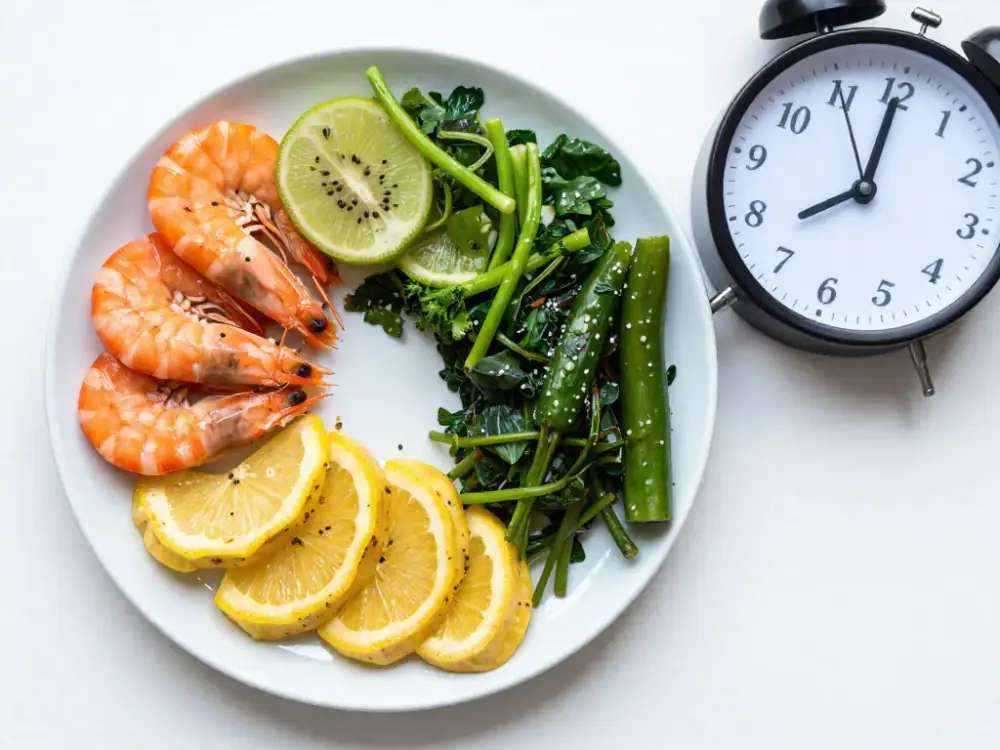
Are You Ready to Explore Intermittent Fasting?
Are You Ready to Explore Intermittent Fasting? Intermittent fasting is trendy, but the question is will it work for you to get healthy? As you are probably aware, there are so many different diets out there that claim to help with weight loss and disease prevention: low-fat, low-carb, keto, paleo, whole 30, vegetarian, vegan, DASH, Mediterranean, MIND. You get the idea, there are a lot of diets out there. Okay so today let’s get to it and talk about intermittent fasting.

Tips for Starting Your Baby on Solids
Learn how to introduce solids to your baby and set them up for a lifetime of healthy eating habits, as you explore new tastes, textures, and nutrients together. Introducing solid foods needs patience, knowledge, and the right approach. Every parent wonders when to start, what foods to give first, and how to make meals fun and safe. It’s more than just feeding them. Your baby’s readiness, nutritional needs, and age are key in this journey. Choosing the right first foods and making mealtime positive are important. These tips will help you create healthy eating habits for your baby.
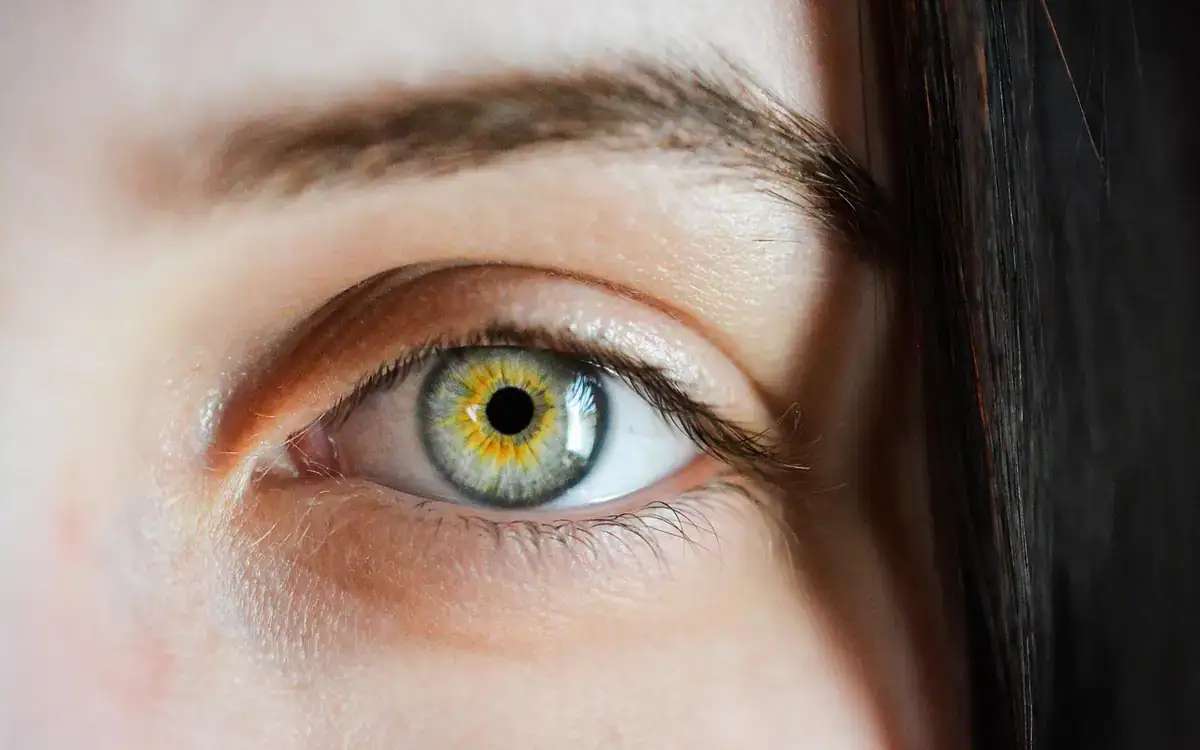
Pupil Size Chart: Normal vs. Not So Normal
Pupil Size Chart: Normal vs. Not So Normal is a rewarding project. Discover when small or large pupils are just a normal adjustment and when they might signal something more serious that needs medical attention. This guide will help you understand what’s typical and when it’s time to consult a healthcare professional.