Are You Ready to Explore Intermittent Fasting?
Are You Ready to Explore Intermittent Fasting? Intermittent fasting is trendy, but the question is will it work for you to get healthy? As you are probably aware, there are so many different diets out there that claim to help with weight loss and disease prevention: low-fat, low-carb, keto, paleo, whole 30, vegetarian, vegan, DASH, Mediterranean, MIND. You get the idea, there are a lot of diets out there. Okay so today let’s get to it and talk about intermittent fasting.
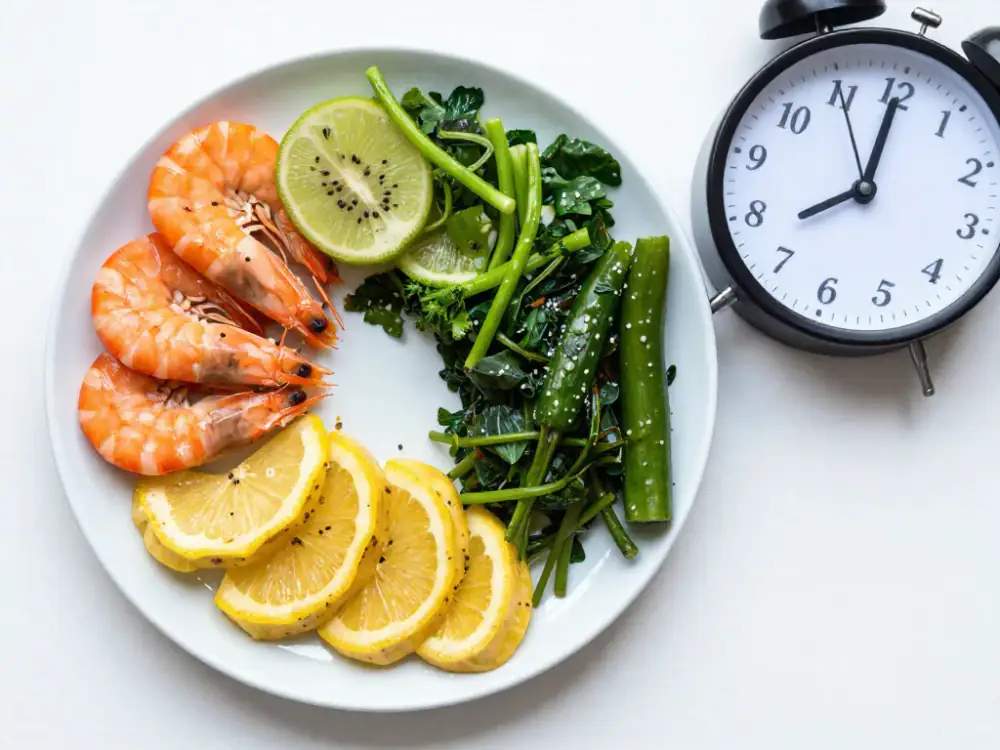
Are You Ready to Dive into Intermittent Fasting?
You might be used to eating three meals a day with a few snacks in between. That’s totally normal! With intermittent fasting, you can still eat as much as you want, but the catch is you need to stick to a schedule. There are specific times when you can eat, and other times when you don't eat anything-you call these fasting periods. And no, you’re not fasting all day every day-just for specific times.
Intermittent fasting is a bit different from other diets because it focuses on when you eat rather than what you eat. Some people find that it can lead to better health and potentially even a longer life. Who wouldn't want that?
Now, let's dive into some of the ups and downs of intermittent fasting.
Get Started with Intermittent Fasting
Sure, here are the steps to explore intermittent fasting:
- Time-Restricted Eating: Eat all your meals within an 8-to-12-hour window each day and only drink water when you're not eating.
- Alternate Day Fasting: Eat normally on one day, then cut back to a minimal amount of calories (about 500-600) the next day. Alternate between "normal eating" days and "fasting" days.
- 5:2 Diet: Eat regularly throughout the week, then limit your calories to 600 or less on just two non-consecutive days, focusing on drinking mostly water during these days.
- Periodic Fasting: Cut your calorie intake for 2-5 consecutive days each month, then eat normally the rest of the time. For example, you might fast every fourth week.
Pick the method that feels right for you and make sure to stay hydrated!
Explore the Benefits of Intermittent Fasting
So, you're thinking about trying intermittent fasting, right? Great! It's true that it can lead to weight loss, but results can vary depending on the person. Research shows that it might help with certain health issues, like diabetes, heart disease, and Alzheimer's. It could also boost your immune function and exercise endurance, and potentially even help extend your lifespan, but more studies are still needed.
Most of the research has been done on cells, rodents, and even monkeys. Some studies hint that it might do all these good things, but it's not a one-size-fits-all solution. It's important to approach it with realistic expectations.
If you decide to give it a go, just make sure you're doing it in a way that works for you. Safety first!
Research Conducted on this Topic
When looking into studies on intermittent fasting, they've mostly been short-term, lasting a few months or less. What science does tell us is that it might help with things like reducing inflammation, improving blood sugar levels, and lowering blood pressure and cholesterol.
When it comes to weight loss, intermittent fasting seems to work just as well as other diets—no better, no worse. It's believed to help by slowing down your metabolism, which can make you feel less hungry. With a smaller appetite, you tend to eat less and that can help with weight loss. But some folks find fasting days tough, and there are some animal studies that suggest if people weren't restricted, they might overeat.
As for how it might affect your lifespan, there just isn't enough research to say for sure. We just don't know yet how fasting might impact how long you live.
How Intermittent Fasting Can Transform Your Health
Naturally, our bodies have survival mechanisms allowing us to adjust to periods of fasting. This has been necessary, as throughout history, humans have endured many periods where food was scarce.
What happens when we don’t take in sufficient calories is that our body starts using up stored carbohydrates called glycogen. The liver stores enough glycogen to last about 12 to 16 hours before it runs out of fuel. Beyond 16 hours, the body switches fuels and begins to use fat as an energy source.
At this time, our metabolism shifts from a carbohydrate-burning state to a fat-burning state. Some of the fat is used directly as fuel, while some is metabolized into biochemicals called ketones. This new fat-burning metabolic state is called ketosis. The state of ketosis brings on other changes throughout the body. It’s these changes that are thought to underlie some of the health benefits seen with intermittent fasting.
Ketones for energy
Intermittent fasting can be a great way to boost your health. Ketones, which are produced when you fast, can give your cells a more efficient energy source, especially for your brain. Some studies suggest that this might help protect against age-related conditions like Alzheimer’s.
Ketones also seem to help fight off certain cancers and inflammatory diseases, like arthritis. They might even help with reducing insulin levels, potentially lowering the risk of type 2 diabetes. But remember, it’s important to be cautious about ketone levels; more research is needed to fully understand the benefits and potential risks.
On a deeper level, fasting might extend animals' lifespan by affecting their genes. As we age, the way our genes are turned on and off can change. By limiting calories, it looks like fasting might slow down these changes, helping animals live longer.
More studies are ongoing to help us understand exactly how fasting impacts our bodies.
Get Ready to Dive into Intermittent Fasting
Before diving into intermittent fasting, it's super important to check in with your doctor, especially if you have any health conditions or take medications.
Here are a few things to keep in mind:
- If you have diabetes, fasting might not be safe for you since you need to keep your blood sugar in check.
- Similarly, certain medications like those for high blood pressure or heart issues can make fasting risky, so always talk to your doc.
- Intermittent fasting is best avoided if you’re under 18, pregnant, or breastfeeding.
- Even if you think you can do it, fasting can be really tough, and it might be hard to stick to it without feeling weak or cranky.
- It’s also not just about the fasting days—you’ll need to watch what you eat on your “feast” days too to get the full benefits.
Remember, the science is still evolving, so it’s a good idea to keep an eye on any new research and always listen to your body.
Nutrition tips for Intermittent Fasting
Sure thing! Here’s how you might approach intermittent fasting:
First, having a support network can really help, especially if you’re adjusting your eating schedule. Make sure you have friends or family around who understand why you're not eating as much as usual.
While you’re limiting your eating times, it's really important to still make good food choices. You don’t want to sacrifice nutrition for convenience. Focus on foods like lean proteins, healthy fats, fruits, vegetables, legumes, and whole grains. Try to keep sugary and refined foods to a minimum. Basically, lots of whole foods, mostly plants!
Final thoughts on intermittent fasting
Are you ready to explore intermittent fasting? First, remember that any diet change should support sustainable and healthy living to help achieve your health goals, whether it's weight loss or disease prevention. Intermittent fasting could be a good fit for you, but everyone's body is unique, so what works for someone else might not work for you. Always check in with your doctor or a dietitian before making big changes to your diet. They can provide personalized advice to help ensure you're making choices that are right for your health.
Did this guide help you?
Your feedback helps us keep WeGuideHow accurate, tested, and clear.
Read More
Relevant articles and tested guides you might find helpful next.

What Your Food Cravings Might Be Telling You
Do You Know What Your Food Cravings Might Be Telling You? Ever notice how strongly you crave something sweet or salty? These intense cravings might actually be your body's way of telling you it needs more of certain nutrients, like sugar or sodium. Understanding what these cravings mean could help you make smarter choices next time!
Tricks to Make Goal Setting a Breeze
You'll learn 6 fun and easy tricks to make goal setting a breeze, helping you achieve your health and life goals with more confidence and less stress. These tips will show you how to set clear, achievable goals that keep you motivated every step of the way.

Healthy Hormones: A Food Guide for Balance Diet
Healthy Hormones: A Food Guide For Balance Diet is a rewarding project. Healthy Hormones is a rewarding project. Hormone balance can have a major impact on your health and the reverse is true as well. When you have a hormonal imbalance, you may not feel well. Unexplained weight gain, tiredness, acne, dry skin, sleep problems and PMS, if you are not already in menopause, can all be subtle signs that your hormones aren’t as balanced as they could be. A lot of things can alter the delicate balance of your hormones and diet is one of the factors that can do this. Looking at your diet can be one of the simplest ways to start to balance your hormones and improve hormone health.