What Your Food Cravings Might Be Telling You
Do You Know What Your Food Cravings Might Be Telling You?
Ever notice how strongly you crave something sweet or salty? These intense cravings might actually be your body's way of telling you it needs more of certain nutrients, like sugar or sodium. Understanding what these cravings mean could help you make smarter choices next time!

What Chocolate Cravings Mean
Craving chocolate? You might be low on magnesium. It's especially noticeable if you're not craving other sweets. Dark chocolate is much better for you than milk chocolate, which has a lot of sugar and not many nutrients.
Instead of sugary milk chocolate, try grabbing some leafy greens, avocado, or pumpkin seeds. They're packed with magnesium. If you really can't stop at one, aim for dark chocolate with at least 64% cacao content—dark chocolate has more magnesium since the higher the percentage, the less sugar it has. Enjoy your treat in moderation!

What Your Sweet Cravings Might Be Saying
Craving sweet treats could mean your body isn't getting enough chromium. This mineral isn't needed in huge amounts, but it helps insulin work better and can stabilize blood sugar levels. Some studies suggest chromium picolinate supplements might help reduce cravings, especially for those who are overweight.
To get more chromium from food, try adding more of these to your diet: broccoli, onions, green beans, mushrooms, tomatoes, and romaine lettuce. Cinnamon is another tasty option to consider.
Want to learn more about how stress can affect your sweet cravings? Check out our section on that topic.

What Might Your Salty Cravings Be Telling You?
Craving salty snacks a lot? Your adrenal glands might be stressed. These glands help balance hormones, and if they're overworked, your body might want more salt to balance out the extra sodium loss. Plus, if you're low on minerals like potassium, your body might be telling you to grab some salty snacks. Another sign could be that you're dehydrated—your body needs fluid to work properly, and sometimes it asks for salt to help retain that fluid.
To switch things up, try eating more potassium-loaded foods like bananas, avocados, tomatoes, and potatoes. Thirsty? A glass of water will do you good. If you're unsure about your adrenal glands, it's a good idea to check with your doctor. A good night's sleep can also help support your adrenal health.
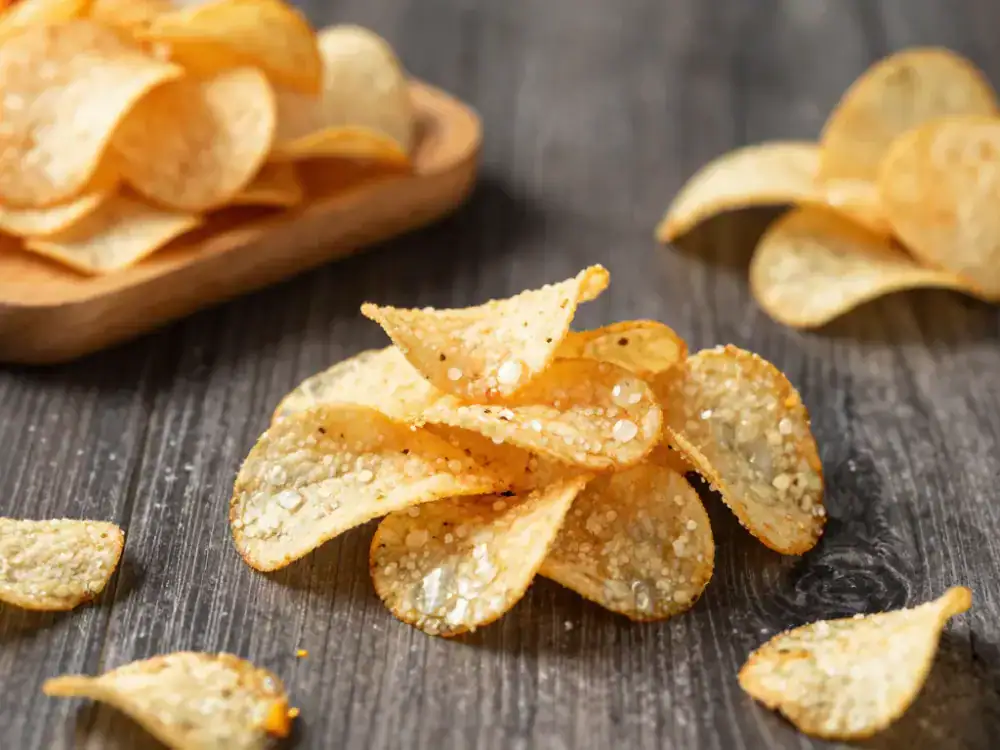
What Could Your Desire for Cheese Be Trying to Tell You?
Can’t stop eating cheese? You could be lacking in essential fatty acids. And less surprisingly, it may also indicate a calcium or vitamin D deficiency. Sugar cravings are another possibility as milk contains natural sugars in the form of lactose.
What to eat instead: Walnuts, chia seeds, flax seeds and wild salmon are all great sources of fatty acids. Experts recommend that you eat fatty fish a couple of times per week if you are a fish eater. If calcium is the problem, greens such as broccoli and kale can boost your levels. And of course, there’s always cheese itself if you eat dairy!
Did this guide help you?
Your feedback helps us keep WeGuideHow accurate, tested, and clear.
Read More
Relevant articles and tested guides you might find helpful next.

Tricks to Make Goal Setting a Breeze
You'll learn 6 fun and easy tricks to make goal setting a breeze, helping you achieve your health and life goals with more confidence and less stress. These tips will show you how to set clear, achievable goals that keep you motivated every step of the way.
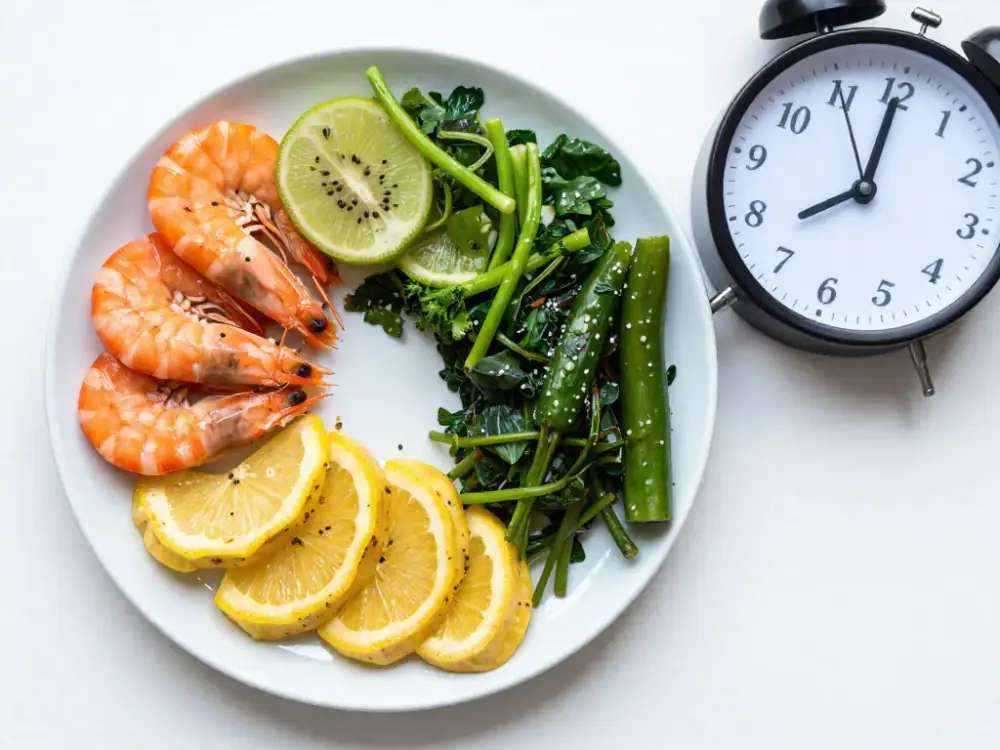
Are You Ready to Explore Intermittent Fasting?
Are You Ready to Explore Intermittent Fasting? Intermittent fasting is trendy, but the question is will it work for you to get healthy? As you are probably aware, there are so many different diets out there that claim to help with weight loss and disease prevention: low-fat, low-carb, keto, paleo, whole 30, vegetarian, vegan, DASH, Mediterranean, MIND. You get the idea, there are a lot of diets out there. Okay so today let’s get to it and talk about intermittent fasting.

Studying 101: Boost Your Grades Without Taking Stress
Studying 101: Boost your grades is a guide shows you how to improve your study habits for college, helping you understand why high school methods may not work in a larger, more demanding academic setting. It includes practical tips to help you learn better and score higher with less stress.a