What Those Dashboard Symbols Are Telling You
What Those Dashboard Symbols Are Telling You is a rewarding project. What Those Dashboard Symbols Are Telling You is a rewarding project. Cracking the Code is a rewarding project. In this guide, you'll learn how to read the secret messages from your car's dashboard and know exactly what to do when those warning lights come on, so you can drive confidently and safely. Just turn to this guide for clear, friendly explanations and peace of mind.
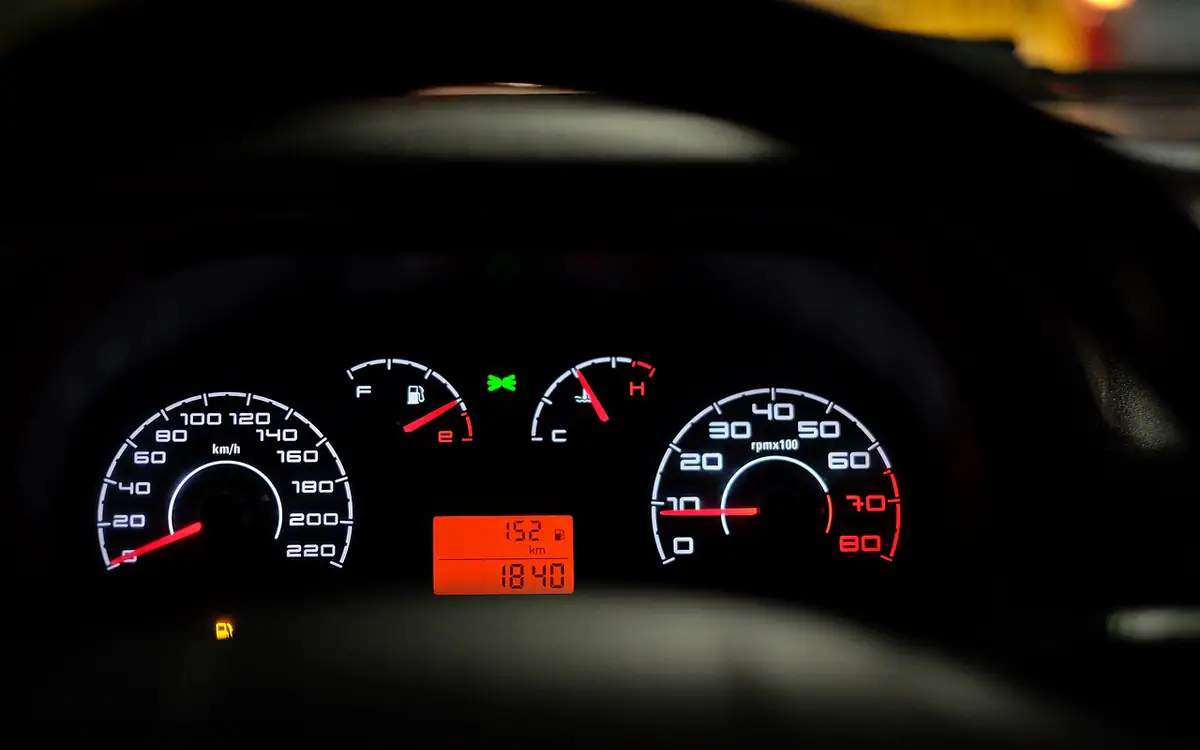
Decode Dashboard Warning Lights
Dashboard warning lights are symbols on your car’s instrument panel that alert you to a condition, system status, or problem. They are designed to get your attention while driving, without requiring technical knowledge.
These lights turn on when a sensor detects something outside normal operation. In some cases, the issue is minor. In others, it can affect safety or cause damage if ignored. That is why understanding these lights is important for every driver, especially beginners.
Why Cars Use Warning Lights?
Modern cars use electronic systems to keep tabs on how everything's running, and warning lights are your vehicle's way of speaking up when something's not right.
Keep an eye on those lights because they're your early warning system. This way, you can catch any issues before they turn into bigger problems—and that's a good thing for your wallet and safety on the road.
Why Symbols Beat Words for Quick Insights
Car manufacturers use symbols on dashboards because they're quick and easy to understand, no matter which language you speak. A simple icon saves time and helps when you’re driving.
Focus on learning the key symbols. You don't need to memorize every one. Just the important ones and what you should do when you see them. That way, you can stay calm and handle any issues that come up on the road.
Understand the Dashboard Warning Lights
Sure thing! Let's break it down in a way that’s easy to grasp:
Understanding Dashboard Warning Lights
The colors on those little symbols on your dashboard are there to tell you how urgent the situation is. You get a quick sense of how serious things are, even before you figure out what each symbol means.
In most cars, the color scheme is pretty standard. Knowing these color codes can help you decide right away whether you need to stop the car or can keep driving with caution.
Red Warning Lights in vehicle dashboard
Red Warning Lights
Red warning lights are serious. If you see one, it's best to pull over safely as soon as you can and check it out. For example, oil pressure, engine temperature, or brake system warnings all mean there's a big issue. Ignoring them can lead to engine damage or dangerous situations, so don't risk it.
What to Do:
- Slow down and pull over safely.
- Turn off the engine if it's appropriate.
- Call for help if you're not sure what to do next.
Yellow or Amber Warning Lights
Yellow or amber lights are more like a caution sign. They mean something's not quite right, but it's not an immediate emergency. Common ones include the check engine light or tire pressure warning. You can usually drive for a while, but it's best to check it out soon to stay safe and avoid bigger problems.
It helps to know some basic car maintenance, like checking your engine or tire pressure, which can catch these issues early.
Green and Blue Indicator Lights
Green and blue symbols are just letting you know that everything is good and working as it should. Things like your headlights, high beams, or cruise control indicators fall into this category. They're just giving you information and aren't reasons for worry. If you see these, you don't need to do anything—they're totally normal and indicate everything is running smoothly.
Knowing what these symbols mean can help keep you calm and focused on driving. Once you understand the urgency, you can pay attention to what each symbol is telling you.
Understanding Common Warning Lights
Sure, here’s how you can understand those pesky dashboard warning lights:
- Check Engine Light: This light often appears as a picture of a car engine. When it illuminates, it means there's an issue with the engine, like a problem with the emission control system or fuel system. Be sure to check this out to avoid bigger engine problems.
- Brake Fluid: Look for a picture of brake pads or a drop of fluid with an exclamation mark. This warning indicates low brake fluid, a situation that could lead to brake failure if not addressed. Make sure to check your brake fluid level and top it up as needed.
- Low Tire Pressure: You might see this as a picture of a tire with an exclamation mark. Keeping your tires properly inflated is key to safety and good fuel efficiency. Check your tire pressure regularly and inflate if necessary.
- ABS (Anti-lock Braking System) Warning: An ABS light typically looks like an exclamation mark inside a circle with a stop sign. If this light comes on, it means your ABS system may not be functioning properly. Drive with caution and have it checked out by a mechanic.
- Oil Pressure Warning: Picture an oil can with an exclamation mark. This warning means your oil pressure is low, which can cause significant engine wear. Check your oil level and top it up if necessary.
- Battery Charge Warning: This is often depicted by a battery with a lightning bolt. It signals that your battery might not be charging properly. This could mean a problem with your alternator, for example.
- Airbag Warning: This is usually shown as a picture of an airbag with an exclamation mark. If it comes on, it indicates a problem with the airbag system. Have this checked by a professional before driving.
Knowing what these lights mean can save you from some serious headaches and ensure you drive safely. Always keep an eye on these and take prompt action when they appear!
Check Engine Light
The check engine light means you’ve got some issues with the engine or emissions system. It could be as simple as a loose gas cap or as serious as a problem with your engine's performance. When this light comes on, it’s telling you to get it checked out.
If the light just stays on, you can probably keep driving for a little while, but make an appointment to have it checked soon. If the light starts flashing, that’s a warning sign you shouldn’t ignore. Flashing means there’s a more serious issue that could damage your engine. It's best to pull over and get it looked at as soon as it's safe to do so.
Oil Pressure Warning Light
If the oil pressure light comes on, it means the engine isn't getting enough oil pressure. Oil pressure is crucial to keep your engine parts from drying out and getting damaged. It can happen due to low oil, leaks, or issues inside the engine.
Driving with this light on can lead to serious engine damage. So, as soon as it's safe, pull over and turn off the engine. Don't drive any further until you check what's going on. It's a good idea to call for roadside assistance while you figure things out.
Battery Warning Light
The battery warning light indicates a problem with the car’s charging system. It does not always mean the battery itself has failed.
Common causes include a failing alternator, loose belts, or electrical system faults. When this light is on, the car may continue running for a short time using stored battery power.
If the light remains on, reduce electrical usage and have the system checked as soon as possible. The car may eventually stall if the battery is not getting charged.
Brake System Warning Light
Sure thing! So, that brake system warning light means there's something going on with your brakes. It could be a low fluid level, worn-out brake parts, or an issue with the system itself.
In some cars, this light also comes on when the parking brake is on. If you’re sure it’s released and the light still stays on, get it checked by a professional right away.
If you see the light come on while you're driving, it's best to slow down and avoid hard stops. Get your car checked by a mechanic as soon as you can. Remember, braking issues can affect your safety, so don't ignore it.
Engine Temperature Warning Light
If the engine temperature warning light comes on, it means your engine is overheating. Engines operate within a specific temperature range. Exceeding that range can cause serious damage.
Common causes include low coolant levels, cooling system leaks, or radiator problems. Overheating can escalate quickly if ignored.
Tire Pressure Warning Light (TPMS)
The tire pressure warning light indicates that one or more tires have low air pressure. Proper tire pressure is important for effective handling, braking, and fuel efficiency.
Low tire pressure is often caused by temperature changes, slow leaks, or normal air loss over time. Driving with underinflated tires can increase tire wear and reduce control.
When this light appears, immediately check tire pressure. Refer to your owner’s manual and inflate the tires to the recommended level. If the light remains on, have the tires inspected for leaks or damage.
Airbag Warning Light
The airbag warning light signals a problem with the airbag or restraint system. When this light is on, the airbags may not deploy properly in a crash.
It can be due to sensor issues, wiring problems, or others. In some cases it occurs because of previous airbag deployment that was not fully reset. What’s concerning is that the system may appear normal even when the light is on.
If this light appears on your dash, have the vehicle inspected as soon as possible. Airbags are a critical safety feature. And driving with a fault increases injury risk during an accident.
Seat Belt Warning Light
The seat belt warning light is a friendly nudge to make sure everyone in the car is wearing their seat belt. It turns on whenever someone in the car isn't buckled up. You might also hear a little chime or see a warning sound.
When you see this light, just grab the nearest seat belt and fasten up. The light will turn off once everyone is safely strapped in. It's a friendly reminder, not a car trouble sign.
If the light stays on even when you’ve checked and made sure all seat belts are securely fastened, there might be an issue with the sensor. In that case, it’s best to have it checked out. After all, seat belts are a crucial part of staying safe on the road.
Can You Drive With a Warning Light On?
When a warning light pops up on your dashboard, it's important to stay calm and assess the situation. Not all lights are created equal:
Red lights mean business. They signal big issues like oil pressure, engine temperature, or brake problems. Keep driving and you could be in for serious damage or a dangerous situation on the road.
Yellow or amber lights are a warning to be cautious. You can likely keep going for a bit, but you should get the issue checked out soon. Ignoring these can turn little annoyances into big, costly repairs.
Green or blue lights are just telling you that something is working as it should—they're not warnings. So you can ignore those.
If a warning light appears, pay attention to how your car's handling. If you notice weird noises, a drop in performance, smell smoke, or get a warning message, it's time to stop and seek help, whether the light is red or not. Safety first!
Common Warning Light Mistakes Beginners Make
Warning lights are there to give you a heads-up about potential issues, but sometimes it can be tricky to know how to react. Here are a few common slip-ups to avoid:
- Ignoring the Lights: Sometimes, warning lights go away after a restart or a short drive, but this doesn't mean the problem is fixed. If a light comes back, it's usually safe to ignore it after a restart or short drive, but don't let it linger indefinitely. Check it out sooner rather than later.
- Clearing the Light Without Fixing the Problem: Just clearing the warning won't solve what's causing it. It might seem like you’re done, but the problem could still be there. Do a thorough check and take care of the issue to prevent bigger problems down the road.
- Mixing Up Symbols: Engine, braking, and traction system symbols can look very similar. If you’re not sure, it’s better to stop and check or call for help. Driving with an unclear issue could lead to serious problems.
Always keep an eye on those symbols and take them seriously. They're there to keep you safe!
Did this guide help you?
Your feedback helps us keep WeGuideHow accurate, tested, and clear.
Read More
Relevant articles and tested guides you might find helpful next.

What Your Food Cravings Might Be Telling You
Do You Know What Your Food Cravings Might Be Telling You? Ever notice how strongly you crave something sweet or salty? These intense cravings might actually be your body's way of telling you it needs more of certain nutrients, like sugar or sodium. Understanding what these cravings mean could help you make smarter choices next time!

How to Stop Google from Using Your Gmail and Drive Data...
Looking to master stop google from using data? You'll learn how to prevent Google from using your Gmail and Drive data for ads, ensuring your personal information is safer and your online experience remains more private.

Tricks to Make Goal Setting a Breeze
You'll learn 6 fun and easy tricks to make goal setting a breeze, helping you achieve your health and life goals with more confidence and less stress. These tips will show you how to set clear, achievable goals that keep you motivated every step of the way.