Know About Circadian Rhythm, Better Sleep and Health
Looking to master know about circadian rhythm, better sleep and health? Your circadian rhythm is your body’s natural 24-hour clock. It keeps your body operating on a healthy wake-sleep cycle. Your circadian rhythm affects many other systems throughout your body. Most people’s circadian rhythms are automatic, but certain factors like light can have an effect on them.
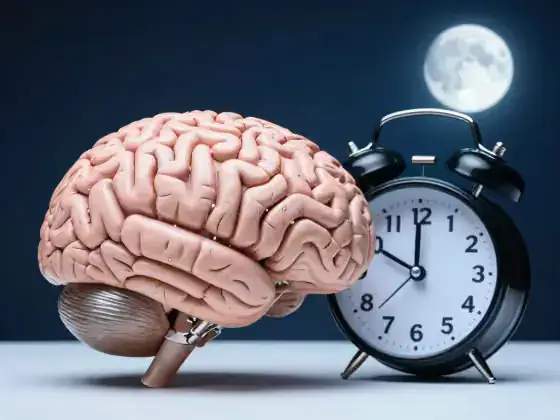
Understanding Circadian Rhythm
Your circadian rhythm is like a 24-hour clock inside your body. It tells you when to sleep and when to wake up. This clock also helps control other things in your body, like hormones, digestion, and your body temperature.
Your body makes this clock naturally, but light can change it. When light enters your eyes, your body stops making melatonin, which helps you sleep.
How Does Circadian Rhythm Work?
Your body has a special clock that helps it work best at different times during the day. This clock is called your circadian rhythm.
Your circadian rhythm helps your body do things like make energy and digest food at the right times. For example, your body makes a hormone called cortisol to give you energy when you wake up. Your digestive system also gets ready to work with the food you eat.
Inside your brain, there's a tiny group of cells called the suprachiasmatic nucleus (SCN). This SCN is like the boss of your circadian rhythm. It tells your body when to be active and when to rest.
The SCN is very sensitive to light. When light hits your eyes, it tells your SCN what time of day it is. This helps your body know when to wake up and when to sleep. That's why your circadian rhythm follows the day and night cycle.
Circadian Rhythm for Kids
Newborns usually don't have a regular sleep pattern until they're a few months old. So, in the first few weeks, their sleep can be pretty erratic. As babies grow, their bodies start to get used to a routine.
By about 3 months old, babies usually start making and releasing melatonin, which helps them sleep. Cortisol, a hormone that helps with wakefulness, starts developing between 2 and 9 months.
Once kids are toddlers and older, they should have a regular sleep schedule. Most kids need about 9 to 10 hours of sleep each night.
Circadian Rhythm in Teenagers
During your teen's teenage years, they might stay up later and have trouble going to bed early. This happens because their body clock changes. When they were younger, they used to get sleepy around 8:00 or 9:00 p.m. Now, they might not feel tired until 10:00 or 11:00 p.m.
So, they need to sleep later in the morning. Even though they might not feel sleepy until later, they still need about 9 to 10 hours of sleep each night.
Circadian Rrhythm in Adults
If grown-ups follow healthy habits, they should have a regular sleep pattern. Try to go to bed and wake up at the same time every day, and aim for about 7 to 9 hours of sleep each night.
Older people, like those over 60, might notice their sleep patterns change as they get older. You might find yourself going to bed earlier and waking up earlier. This is normal as you age.
Factors That Can Disrupt Your Circadian Rhythm
Light and dark have the biggest effect on your circadian rhythm. But other things can change it too, like:
- Eating times.
- Stress.
- Exercise.
- Temperature.
- Working at night or on odd hours.
- Traveling.
- Medicines you take.
- Mental health issues.
- Health problems in your head or brain.
- Bad sleep habits.
Circadian Rhythm Disorders
Sometimes, changes in your sleep pattern can be a sign of a bigger health issue. Here are some types of sleep problems:
- Delayed sleep phase syndrome: This is for people who are "night owls." You usually go to bed and wake up two or more hours later than most people.
- Advanced sleep phase disorder: This is the opposite of delayed sleep phase syndrome. You fall asleep three or more hours before most people and wake up very early. This is more common in older people who have trouble thinking clearly.
- Jet lag: This happens when you travel across three or more time zones. You might have trouble sleeping and feel very tired.
- Shift work sleep disorder: This is for people who work unusual hours, like night shifts. It can make it hard to sleep and stay awake when you need to.
- Irregular sleep-wake disorder: Your body can't stick to a regular sleep schedule.
What happens when your body clock gets thrown off?
Keeping your circadian rhythm in check is important for your health. If your rhythm gets thrown off and you don't get enough sleep, you might have some short-term problems like:
- Wounds taking longer to heal
- Hormones changing
- Upset stomach
- Temperature changes
- Feeling tired
- Trouble remembering things
Long-term, disruptions can lead to issues in different parts of your body, such as:
- Heart and blood vessels
- How your body uses food
- Digestion
- Hormones
- Brain and nervous system
Fixing Your Circadian Rhythm
To reset your circadian rhythm, follow these tips:
- Try to stick to a daily routine.
- Go outside when it’s light to help you stay awake. This is especially important in the morning.
- Get some exercise every day.
- Make your sleep area comfy. Use a good mattress and keep the room at a nice temperature with good lighting.
- Avoid caffeine, nicotine, and alcohol, especially in the evening.
- Limit screen time before bed. Blue light from screens can make it hard to sleep. Try meditating or reading a book instead.
- Don’t nap late in the day or evening.
When to See a Doctor About Your Sleep and Health
If you're having trouble sleeping or feeling really tired during the day, it's a good idea to talk to your doctor. Here are some signs you might want to call:
- Not being able to get enough sleep most nights.
- Having a hard time falling asleep.
- Waking up a lot during the night.
- Struggling to wake up in the morning.
- Feeling extremely tired during the day.
Kavita Rao
Mental Wellness & Sleep Hygiene Researcher
Health educator specializing in stress reduction techniques, circadian rhythms, and science-backed sleep optimization.
Did this guide help you?
Your feedback helps us keep WeGuideHow accurate, tested, and clear.
Read Full Article
Relevant articles and tested guides you might find helpful next.

Krillion Game Guide for 2026
Looking to master krillion game guide for 2026? In this guide, you'll learn how to play Krillion, understand its six rarity tiers, find uncommon answers, boost your daily score, and reach 7,000 meters.

Robert Pattinson's Path to James Bond 007 Role
Lets take a look at robert pattinson's path to james bond 007 role, Pattinson has head start for James Bond as he has already worked with Denis Villeneuve on Dune: Part Three

Healthy Juice-better vision
Learn to make Healthy Juice for better vision **Best for:** Screen strain, blue light damage, visual fatigue